Title here
Summary here


The air drop system is designed to ensure consistent, safe, and accurate delivery of payloads using a lightweight, efficient mechanism during autonomous missions. This year’s payload consists of four GP908 strobe beacons, each housed in a custom-designed 3D printed container (See next figure). These containers are compact, impact-resistant, and aerodynamically stable. the containers are secured to a drop mechanism weighing less than 0.7 lb.
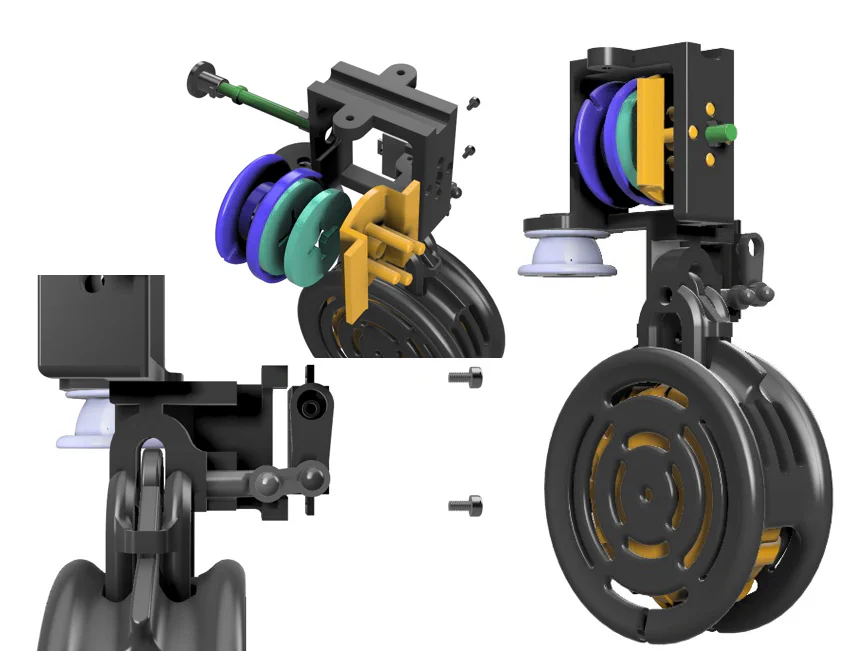
Upon reaching the designated drop coordinates, the flight controller sends a signal to a servo-actuated mechanism that releases the payload. The drop mechanism transitions between two spooling stages. In the first phase, the payload falls freely to gain momentum. Once a predefined descent threshold is reached, the tether transitions to a secondary braking spool, which slows the descent safely until touchdown.
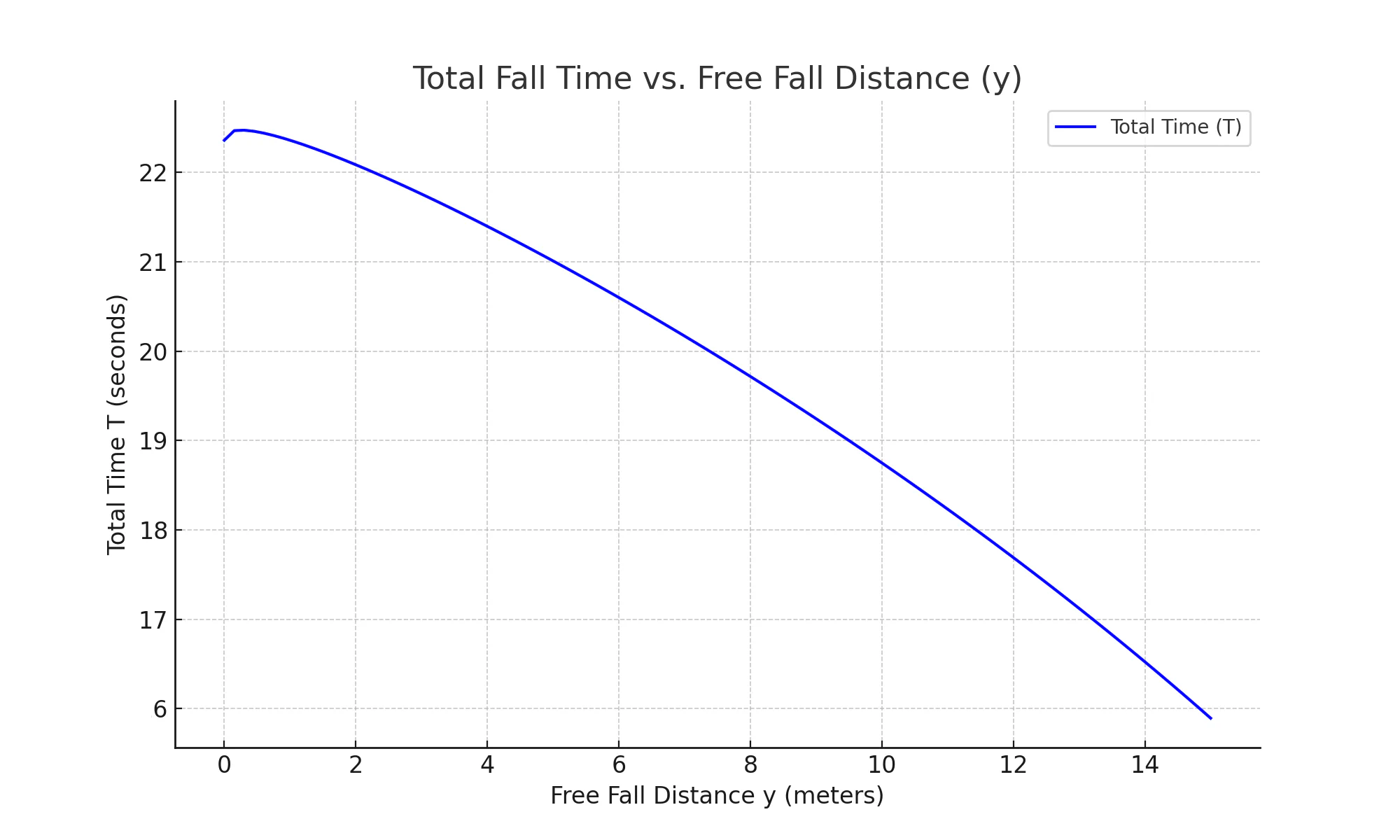
To fine-tune drop timing and optimize descent speed, a relationship between drop height and total fall time was modeled analytically and experimentally. The chart in following figure outlines the established correlation, enabling precise configuration of release height versus desired impact velocity.
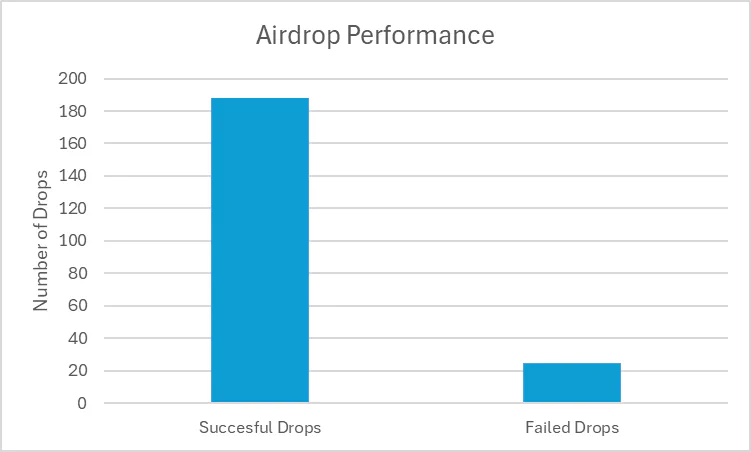
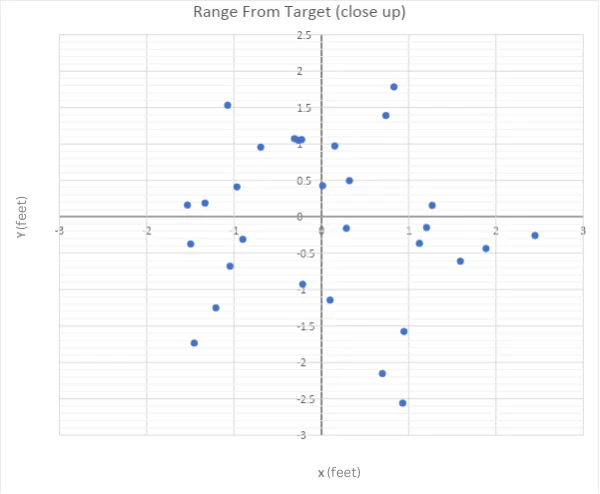
The drop system was subjected to extensive validation. Over 200 field tests were conducted to evaluate deployment reliability, system integrity, and positional accuracy of the payload upon landing. These tests produced a success rate of 91% as shown in figure 9, defined as a successful payload deployment without mechanical failure or entanglement.
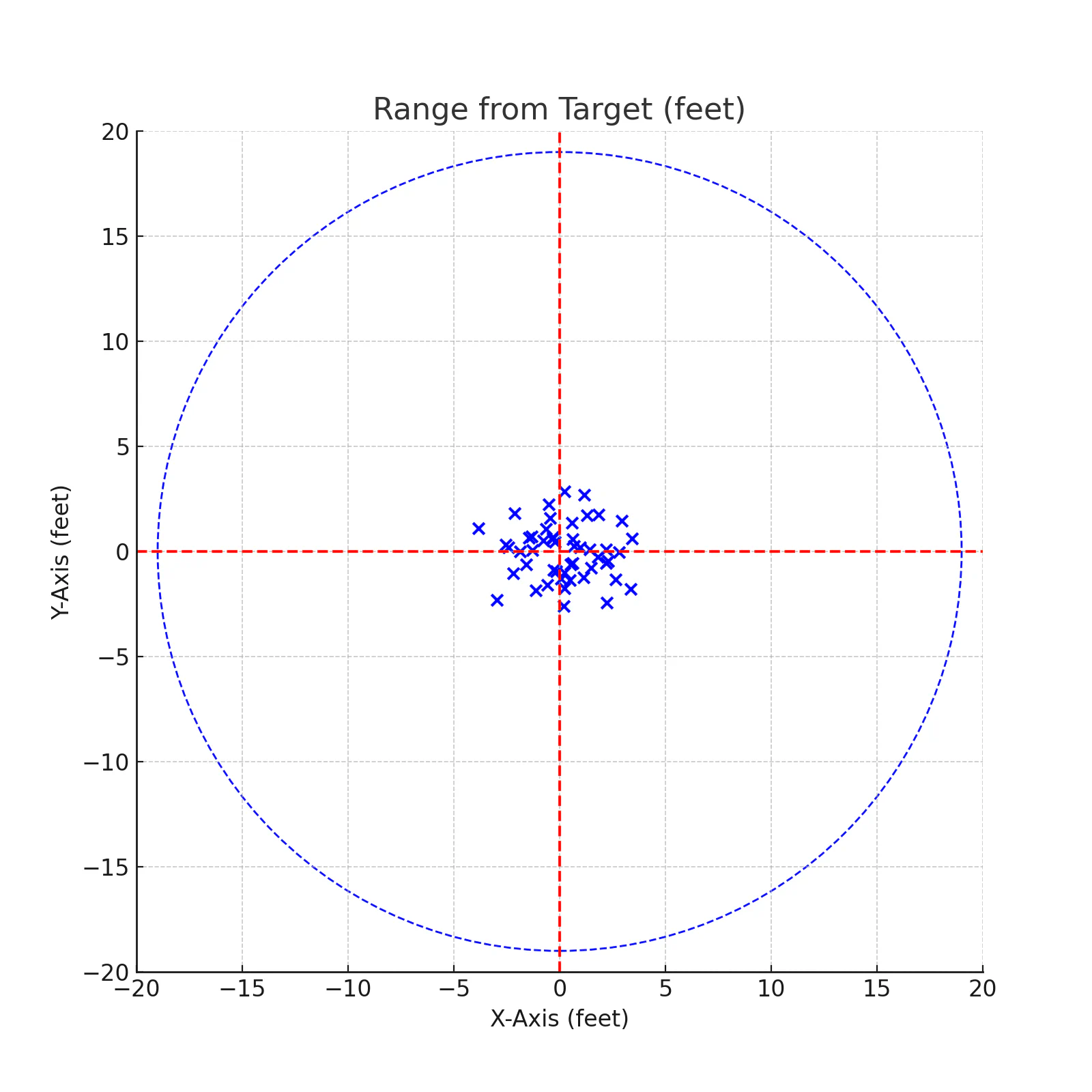
Statistical analysis of drop accuracy revealed a 90th percentile distance from the target of just 2.26 feet, demonstrating the system’s consistent precision. The previous two figures compare the cumulative distribution of landing errors across all trials.
All air drop mechanisms are tested independently before full integration to ensure compliance with mission safety standards. This quality assurance protocol helps prevent hardware failure during flight and ensures the UAV remains stable throughout the drop procedure as
Our UAV platform is based on a modified industrial-grade hexacopter, customized to meet the SUAS competition’s demanding flight performance requirements. The vehicle features a foldable frame designed to support a 13 lb payload, a range of up to 14 miles, and a maximum hovering endurance of 70 minutes under no-load conditions.
The frame was fabricated using a combination of carbon fiber composites and aluminum to balance strength, rigidity, and lightweight construction. This material choice ensures high stiffness-to-weight ratio and robustness during landing and transportation.
Dimensions Data | Value |
|---|---|
Diagonal Length | 1250 mm |
Arms | 50 mm diameter, 495 mm long |
Landing Gear | 500 mm (20 inch) Carbon Fiber tubes |
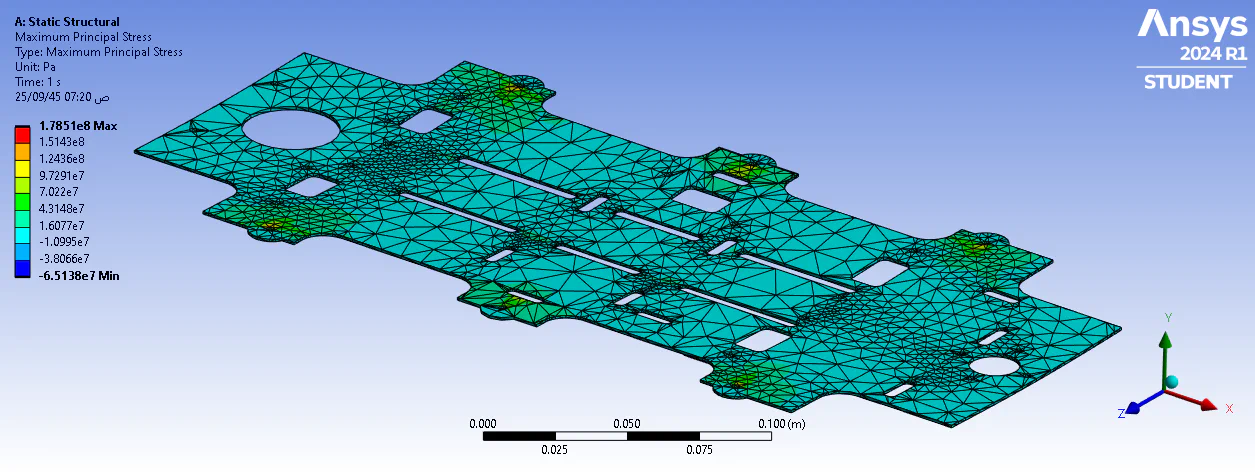
Finite Element Analysis (FEA) was conducted using ANSYS to ensure structural durability and minimise stress concentrations under dynamic flight loading. Topology optimisation further reduced the frame’s weight without compromising mechanical performance. Results of this simulation are illustrated in the figure in previous section.
After evaluating several propulsion candidates, the MN6007II 320KV brushless motors were selected for their superior thrust-to-efficiency performance. Each motor can generate up to 12 lb of thrust;, enabling robust lift capacity and flight stability. This choice was validated by a comparative analysis of theoretical flight times across multiple motors (See upcoming table).
Paired with 22-inch carbon fiber propellers (6.6-inch pitch) and powered by 12 6S Li-ion battery packs (54 Ah total capacity), the system delivers high endurance and consistent flight performance under varying payloads.
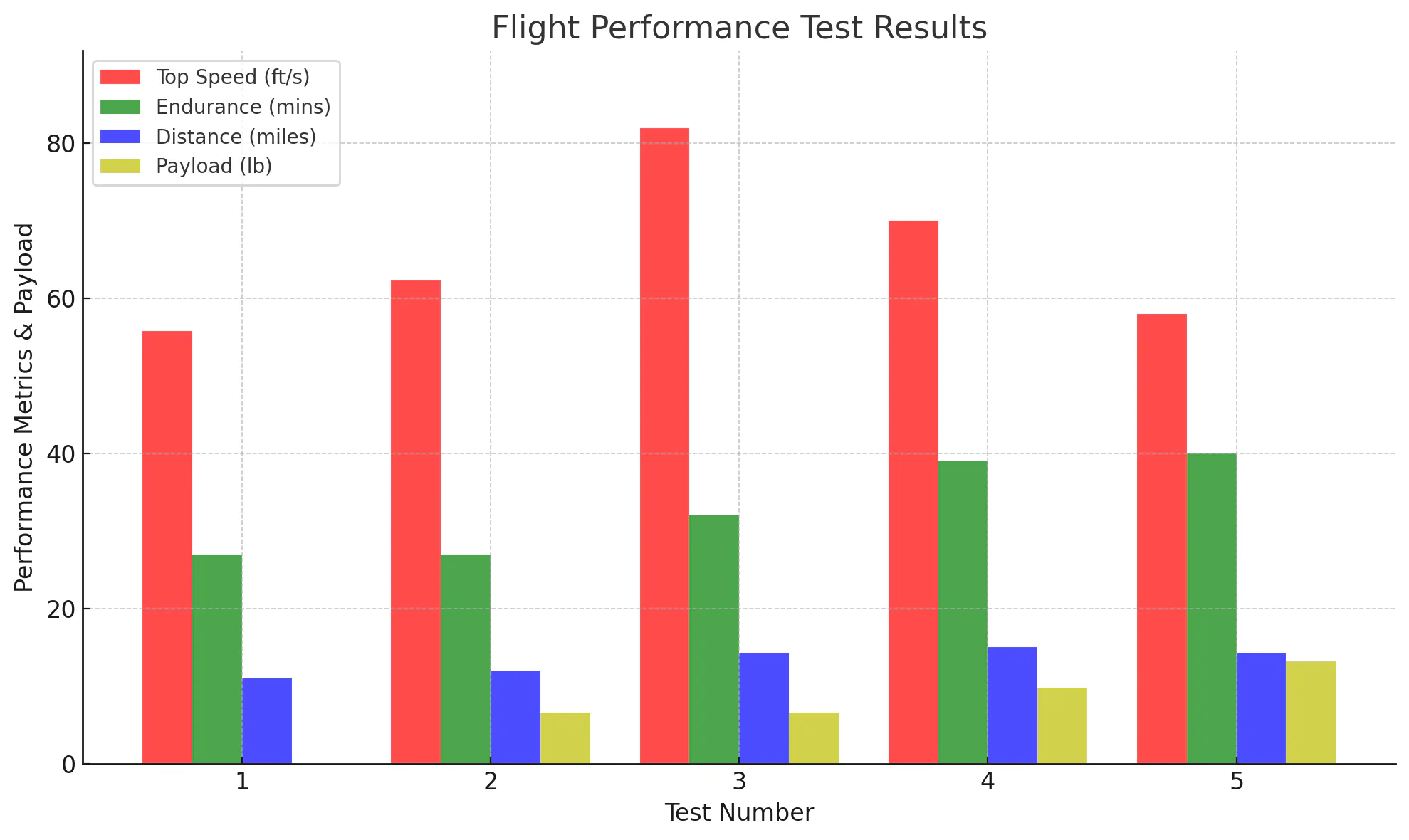
Flight testing was conducted over 40 individual missions;, accumulating more than 8 hours of airtime under diverse conditions. The UAV demonstrated consistent top speeds up to 82 ft/s;, a hovering endurance of 45 minutes;, and a payload capacity of 8 lb;, as validated across multiple test configurations (See bar chart).
Technical Data | Value |
|---|---|
Motors | MN6007II, 320KV |
Propellers | 22-inch Carbon Fiber, 6.6-inch pitch |
Battery Type | 6S Li-ion |
UAV Metrics | Results Measured |
|---|---|
Number of Flights | 40 |
Flight Hours | 8 hours |
Top Speed | 82 ft/s |
Payload | 8 lb |
The aircraft passed all flight performance requirements without requiring mid-mission battery replacements, ensuring full mission execution within a single power cycle. These results confirm that the UAV is highly capable and well-suited for the competition mission profile.